
Dry, burning, gritty, or watery eyes can make everyday tasks feel uncomfortable. While eye drops can offer short-term relief for some people, dry eye treatment in Gonzales can address the underlying cause when symptoms keep returning. In the meantime, a few at-home habits may help reduce dry eye discomfort.
Can dry eyes improve without eye drops?
Yes, mild dry eye symptoms may improve with simple lifestyle changes that support your natural tear film. Dry eye can happen when your eyes do not make enough tears or when tears evaporate too quickly. Screen time, dry air, contact lenses, medications, allergies, and eyelid-gland problems can all contribute.
At-home care may ease symptoms, but it does not replace an eye exam if discomfort is frequent, severe, or affecting your vision.
How can warm compresses help dry eyes?
A warm compress can help soften oils in the glands along your eyelids. Those oils are an important part of healthy tears because they help prevent tears from evaporating too quickly.
To try a warm compress at home:
- Wet a clean washcloth with comfortably warm water
- Place it over closed eyes for several minutes
- Gently massage the eyelids afterward with clean hands
- Repeat daily as recommended by your eye doctor
Avoid using water that is hot enough to burn the delicate skin around your eyes. If redness, swelling, or pain continues, stop and schedule an eye exam.
Can screen habits reduce dry eye symptoms?
Yes, taking intentional screen breaks can reduce dryness caused by less frequent blinking. People naturally blink less while using a computer, phone, tablet, or gaming device, which leaves tears exposed to evaporation.
Try these screen-time adjustments:
- Follow the 20-20-20 rule: every 20 minutes, look 20 feet away for 20 seconds
- Make a conscious effort to blink fully
- Position screens slightly below eye level
- Limit direct airflow from fans or air-conditioning vents
- Increase text size rather than leaning closer to a screen
What changes at home can help keep eyes comfortable?
Small environmental adjustments can make a noticeable difference, particularly when dry air or irritants are part of the problem. A humidifier may help during dry weather or while indoor heating and air conditioning are running.
You can also support more comfortable eyes by:
- Drinking enough water throughout the day
- Wearing wraparound sunglasses outside to block wind
- Removing eye makeup thoroughly before bed
- Taking breaks from contact lenses if they feel uncomfortable
- Avoiding smoke and other airborne irritants
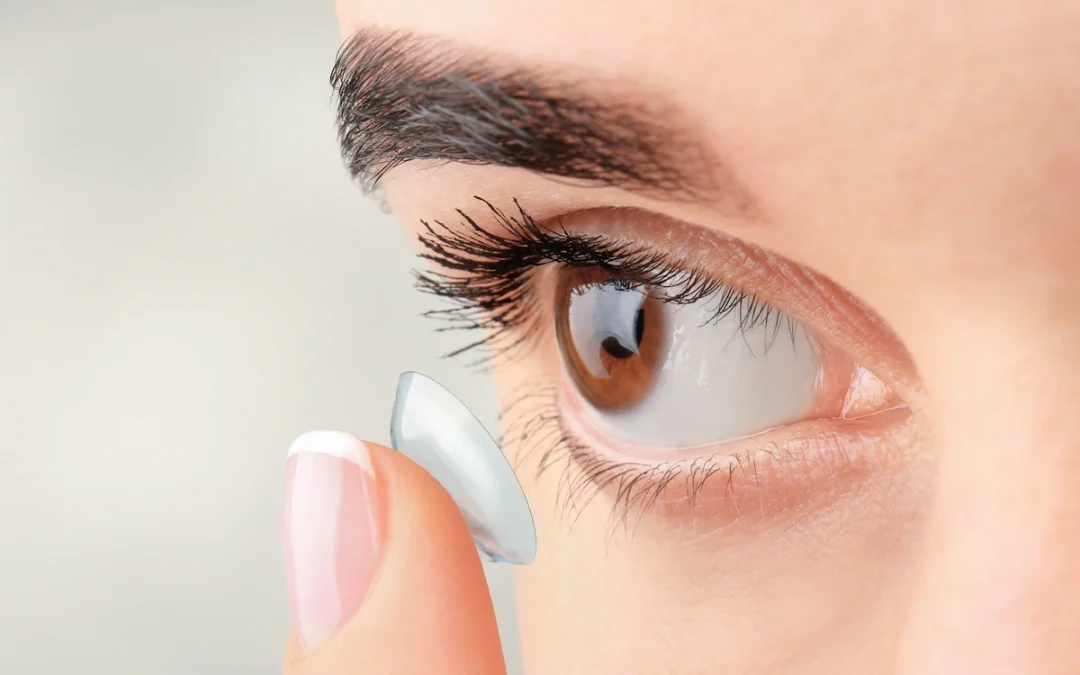
If you wear contacts and dryness keeps interrupting your day, a contact lens exam can help determine whether your lenses or wearing routine need to change.
When should you see an eye doctor for dry eyes?
You should schedule an appointment if symptoms continue despite at-home care, keep coming back, interfere with work or reading, or include eye pain, light sensitivity, redness, discharge, or changes in vision. Those symptoms may point to more than routine dryness.
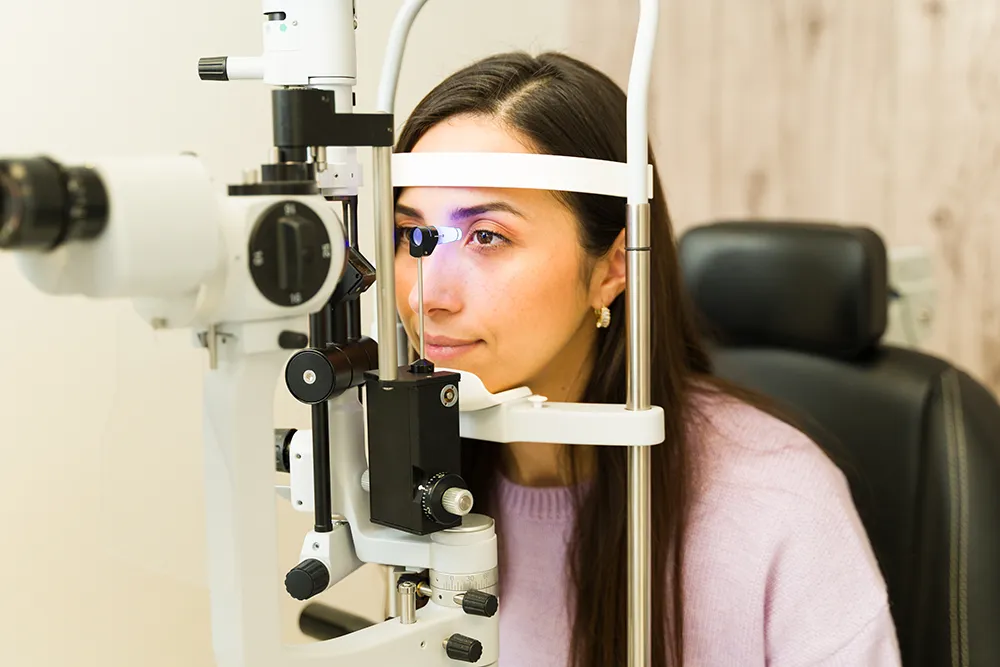
Dry eye has several possible causes, including blocked oil glands, inflammation, allergies, and certain health conditions. An eye doctor can identify what is affecting your tear film and recommend a treatment plan that fits your needs.
Find longer-lasting dry eye relief
At-home habits can be a helpful part of managing dry eye, but they are most effective when matched to the cause of your symptoms. Accent Vision Care can evaluate your eyes and discuss professional treatment options designed to provide more lasting comfort. Schedule an appointment today to get relief that goes beyond temporary fixes.