If your child’s prescription seems to change every year, daily habits may be part of the picture. Myopia control in Gonzales can help slow the progression of nearsightedness, especially when it’s paired with healthier routines around screen time, reading, outdoor play, and regular eye care.
Can screen time make myopia worse?
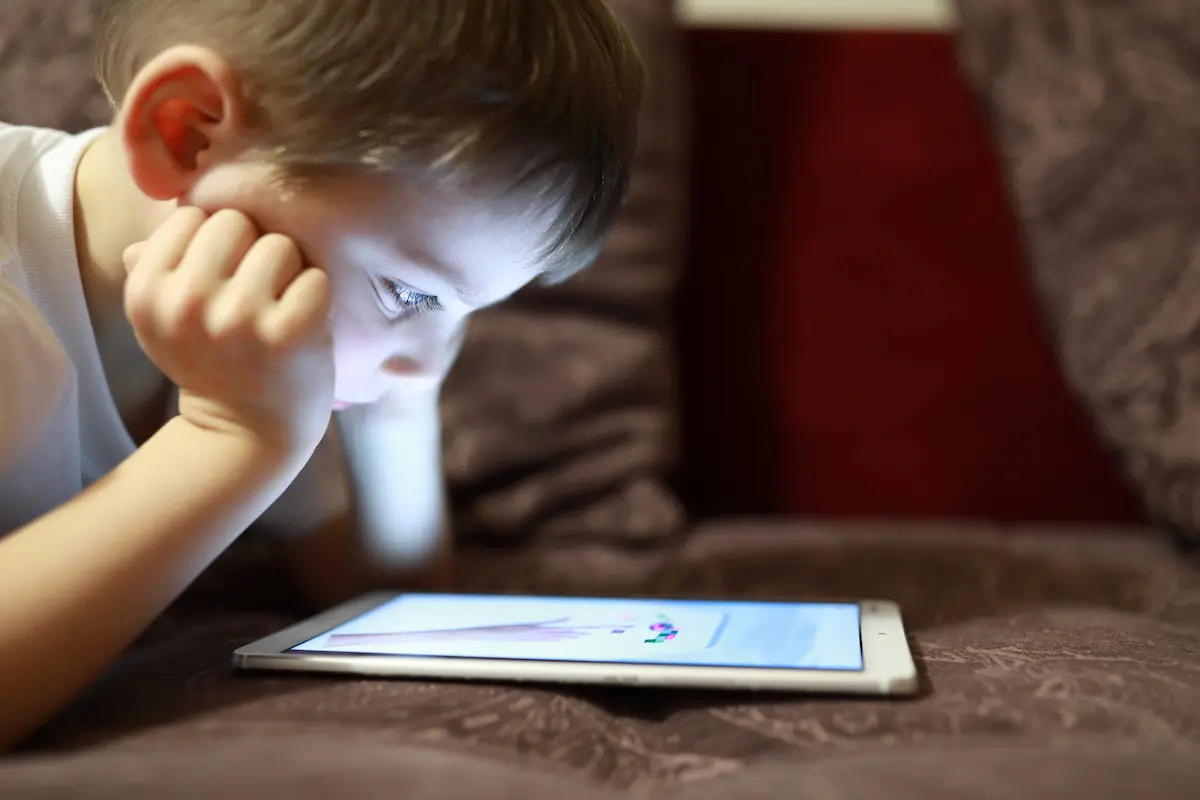
Yes, heavy screen use may contribute to myopia progression, especially when it replaces outdoor time or involves long periods of close-up focus. Myopia develops when the eye grows too long from front to back, causing faraway objects to look blurry.
Screens are not the only cause. Genetics, age, school demands, reading habits, and time spent indoors can all play a role. Still, many children now spend hours each day looking at phones, tablets, computers, and school devices, which can increase visual strain and encourage prolonged near work.
Habits that may affect your child’s eyes
Common lifestyle factors linked to myopia progression include:
- Long stretches of screen time without breaks
- Holding books or devices very close to the face
- Limited time outdoors
- Reading or using screens in dim lighting
- Skipping routine pediatric eye exams
- Waiting until vision changes are obvious before scheduling an exam
How much outdoor time helps protect vision?
More outdoor time may help lower the risk of myopia progression in children. Natural light and distance viewing give the eyes a break from close-up tasks and may support healthier visual development.
A simple routine can help: encourage children to play outside after school, take walks, or participate in sports when possible. Even small changes can reduce the amount of time their eyes spend locked onto near tasks.
Easy ways to build healthier screen habits
Try these family-friendly strategies:
- Use the 20-20-20 rule: every 20 minutes, look 20 feet away for 20 seconds
- Keep screens at a comfortable distance
- Encourage outdoor play most days of the week
- Avoid screens right before bed when possible
- Make sure reading areas have good lighting
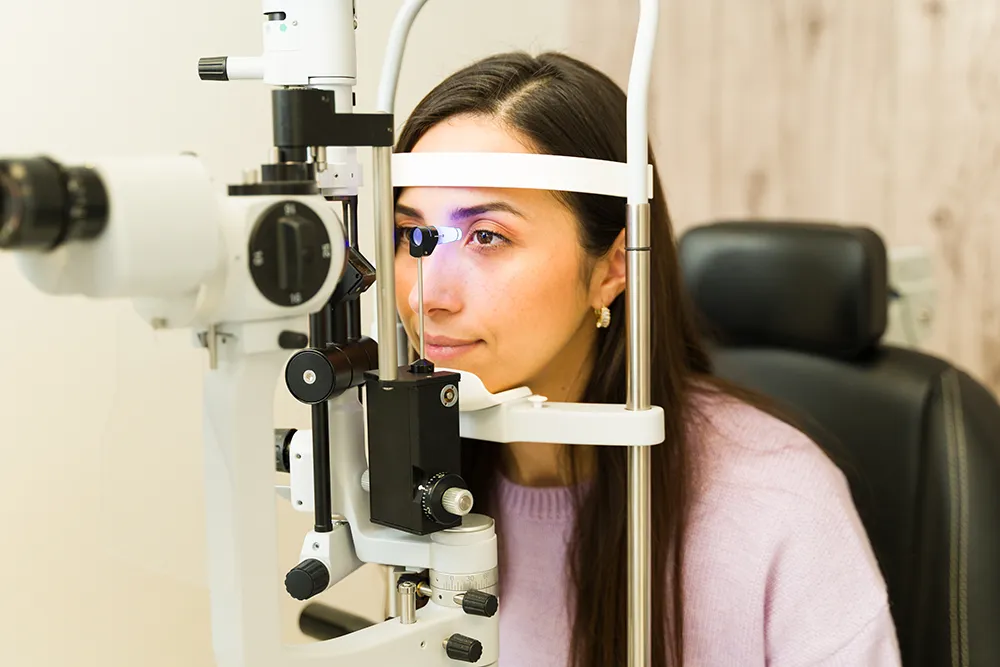
- Schedule a comprehensive eye exam if your child squints, sits close to screens, or complains of blurry distance vision
What are the signs that myopia is progressing?
Frequent prescription changes, squinting, headaches, and trouble seeing the board at school can all suggest worsening myopia. Some children may not mention blurry vision because they assume everyone sees the same way they do.
Parents may notice their child moving closer to the TV, holding devices near their face, rubbing their eyes, or avoiding distance-based activities. These signs are worth checking, even if your child passed a school vision screening.
Can special lenses help slow myopia progression?
Yes, certain lens options are designed to help manage myopia progression. Accent Vision Care offers Stellest lenses in Gonzales, which are made for children with nearsightedness and may help slow prescription changes over time.
Depending on your child’s needs, our eye doctor may also discuss other vision correction options, including glasses, contact lens exams, or specialty lenses. The right plan depends on your child’s prescription, age, lifestyle, and eye health.
How can Accent Vision Care help protect your child’s vision?
Regular exams and early myopia management can help protect your child’s vision as they grow. If your child spends a lot of time on screens, struggles to see far away, or has a prescription that keeps changing, schedule an appointment with Accent Vision Care to learn whether myopia control is a good fit.