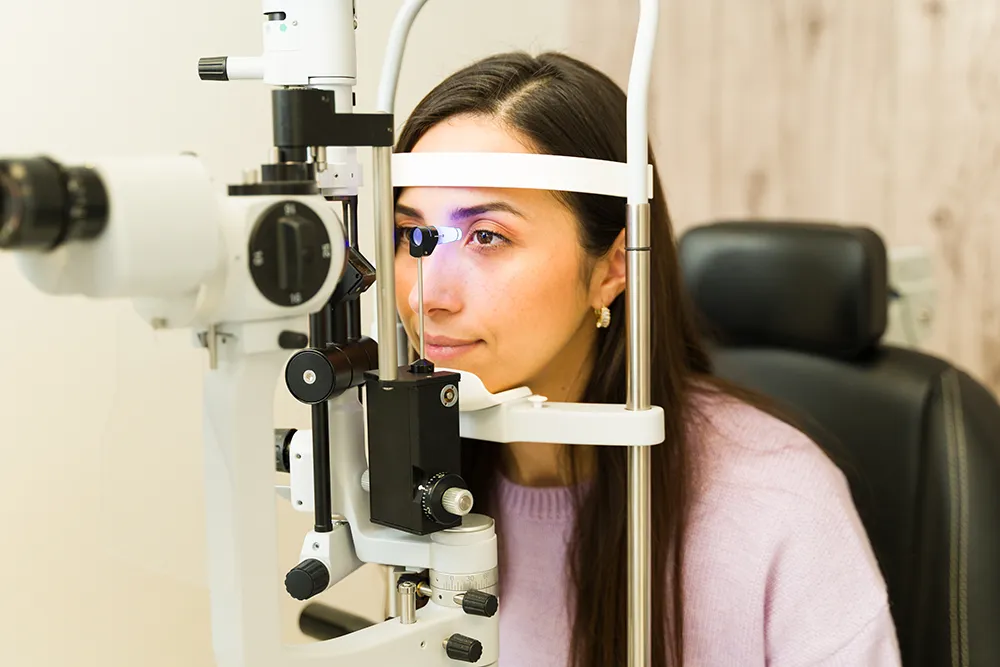
Most people schedule an eye exam when they have a concern, such as blurry vision, headaches, or trouble reading the menu across the room. But by that point, changes in your vision or eye health have often already been underway for a while.
Preventative eye exams detect issues before you notice symptoms, allowing you to get treatment when it is most effective. In this post, we’ll share why routine eye care is essential at every stage of life, what we look for during a comprehensive exam, and how staying proactive now protects your vision for years to come.
Clear vision doesn’t always mean healthy eyes
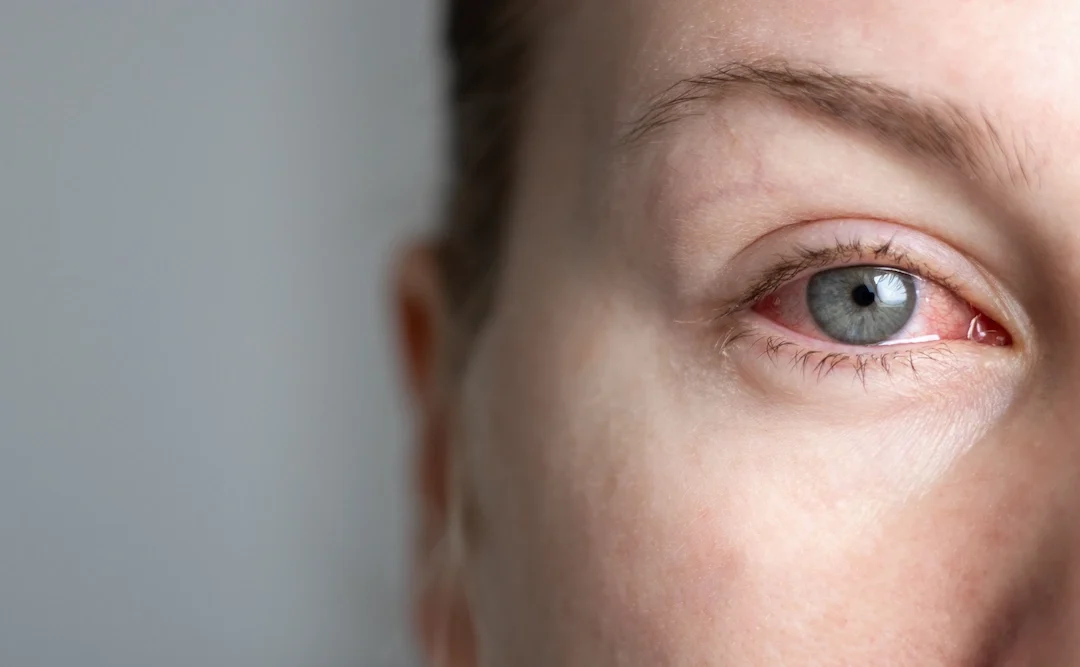
Patients often assume that if they can see fine, their eyes must be healthy. In reality, many of the most serious eye conditions—glaucoma, diabetic retinopathy, macular degeneration—develop without any noticeable symptoms in their early stages. By the time vision changes become obvious, significant damage may have already occurred.
A comprehensive eye exam does far more than check your prescription. During your visit, our experienced eye doctors evaluate:
- The health of the retina and optic nerve, which are essential for clear vision
- Eye pressure measurements that can help identify early signs of glaucoma
- The clarity and overall condition of the eye’s natural lens
- Changes in the blood vessels of the eye that may indicate underlying health conditions, such as diabetes or high blood pressure
- How well your eyes work together and coordinate as a team
Children’s eyes: more at stake than a report card
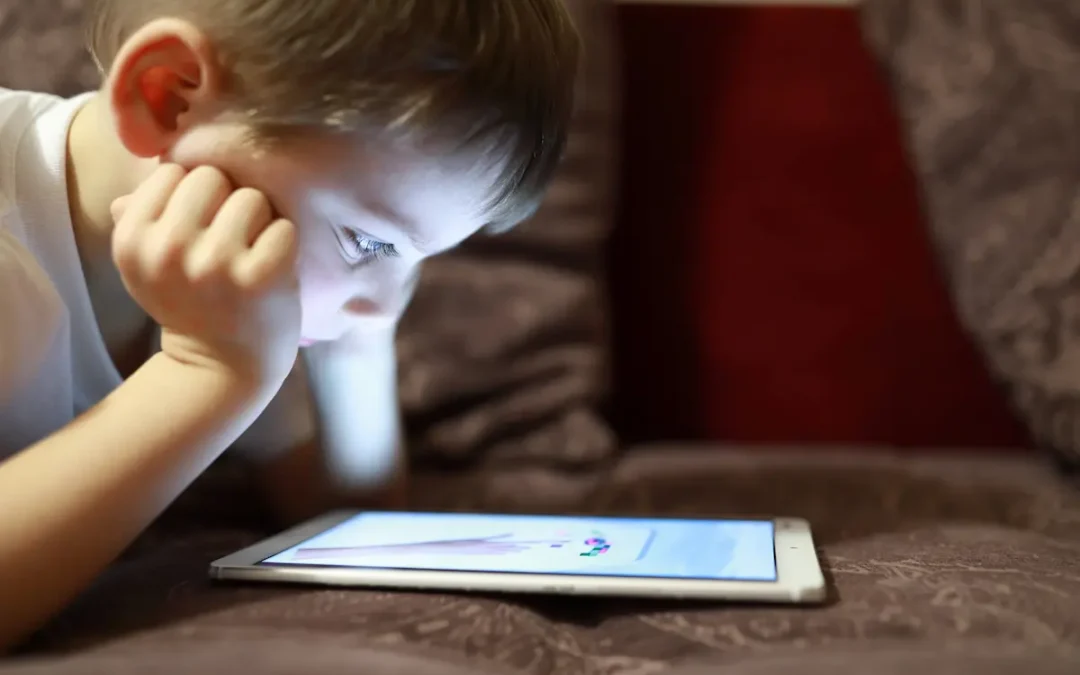
Vision problems in children often go undetected for years because kids don’t always recognize or communicate that something is wrong. They assume everyone sees the way they do.
At Accent Vision Care, we begin seeing patients as young as age 4. Early pediatric eye exams are critical for catching:
- Amblyopia (lazy eye) — responds best to treatment before age 7¹
- Strabismus (eye misalignment) — can affect depth perception and visual development
- Refractive errors — uncorrected nearsightedness, farsightedness, or astigmatism can make learning unnecessarily difficult
- Color vision deficiencies — helpful to identify early so children and families can plan accordingly
Children rarely complain about vision because they don’t have a reference point for what “normal” looks like. A child who struggles to read, loses focus quickly, or sits too close to the television may simply need glasses and not an intervention for attention or learning.
School vision screenings are a start, but they’re not a substitute for a comprehensive exam. They miss a significant number of kids who need care.
How eye care needs change with age
Your 20s and 30s: monitoring vision and eye health early
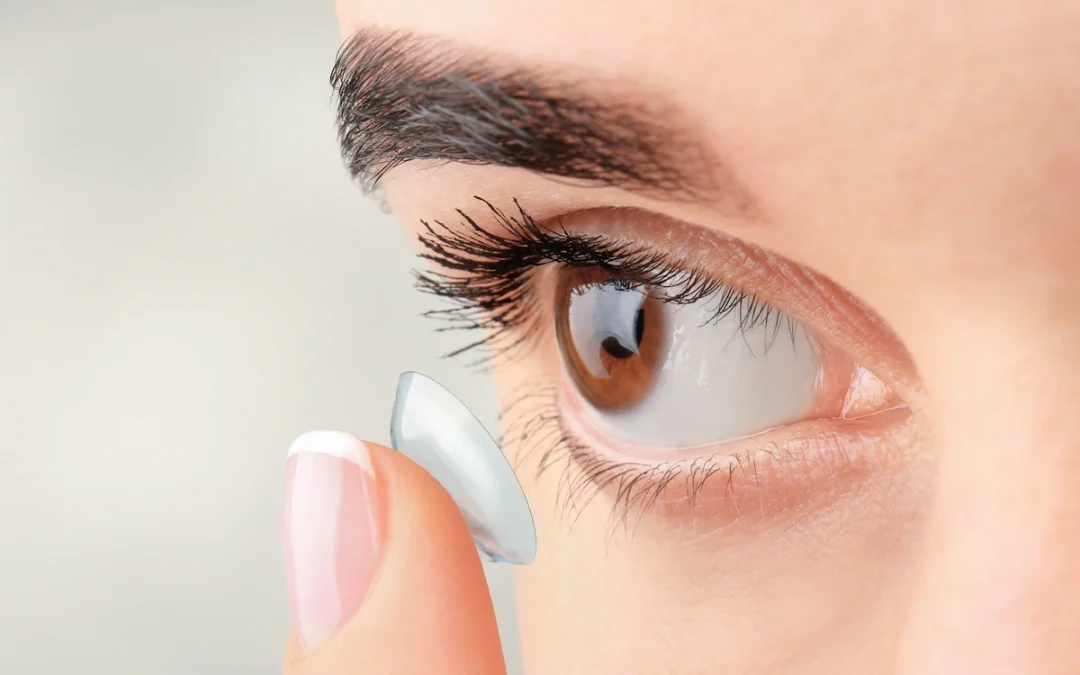
Your eyes may be at their healthiest during these years, but that doesn’t mean exams can wait. Digital eye strain, contact lens-related dryness, and early signs of conditions like keratoconus can appear well before middle age. Establishing a baseline early on gives your eye doctor a valuable point of comparison for future exams.
Your 40s: when near vision starts to change
As you enter your 40s, it’s common to notice changes in your near vision due to presbyopia, the age-related loss of focusing flexibility. Many people begin using reading glasses or progressive lenses during this stage of life.
Regular eye exams are also important for monitoring conditions that become more common with age, including glaucoma. Because glaucoma often develops without noticeable symptoms in its early stages, routine exams are essential for detecting it before significant vision loss occurs.
Your 50s and 60s: staying ahead of higher-risk conditions
As you reach your 60s and beyond, the likelihood of developing age-related eye conditions increases. Cataracts, macular degeneration, and diabetic eye disease become more common, making routine eye exams even more important.
Adults with diabetes, high blood pressure, or a family history of glaucoma or macular degeneration may need annual exams or more frequent monitoring, depending on their risk factors and eye health needs.
How often should you schedule an exam?
The ideal exam schedule varies based on your age, overall health, vision needs, and risk factors. While some people may need more frequent monitoring, these general guidelines can help you stay on top of your eye health.
- Ages 4–5: We recommend at least one comprehensive exam before starting school. If your child is younger and has a higher risk of developing vision problems, has a noticeable eye turn or misalignment, or their pediatrician has identified a potential eye concern, they may need an earlier evaluation. Accent Vision Care begins seeing children at age 4.
- School-age children (6–17): Annually, or as recommended
- Adults 18–39: Every two years, or annually if you need vision correction or have risk factors
- Adults 40–64: Every two years, or annually if you need vision correction or have risk factors
- Adults 65+: Annually or more frequently, depending on your optometrist’s recommendation
- Adults with diabetes, hypertension, or a family history of eye disease: Annually at a minimum
Schedule a visit with our experts today
Whether you’re bringing in a child for their first exam, updating your contact lenses, or managing a chronic condition, we’re glad to be your practice here in Gonzales.
Schedule an appointment today and make preventative care part of your annual routine.
References: