Many parents assume it’s focus issues, fatigue, or too much screen time when a child struggles in school. It can be easy to overlook vision because kids rarely complain about it directly; they often assume what they see is how everyone else sees too. Over time, though, small vision issues can show up in school performance, reading habits, and even headaches after a long day.
In this blog, we share hidden signs of vision problems in kids, how vision affects learning, and the importance of routine pediatric eye exams.
Hidden signs of vision problems in kids
Vision problems in children often go unnoticed because kids don’t always realize something is off. In the U.S., 1 in every 4 children has a vision disorder that requires diagnosis and treatment by an eye doctor, yet many of these cases go undetected because children may never receive a full eye exam.¹
Some common signs of vision problems in kids include:
- Reading more slowly or avoiding reading altogether
- Losing their place while reading or skipping lines
- Frequent eye rubbing or blinking during homework
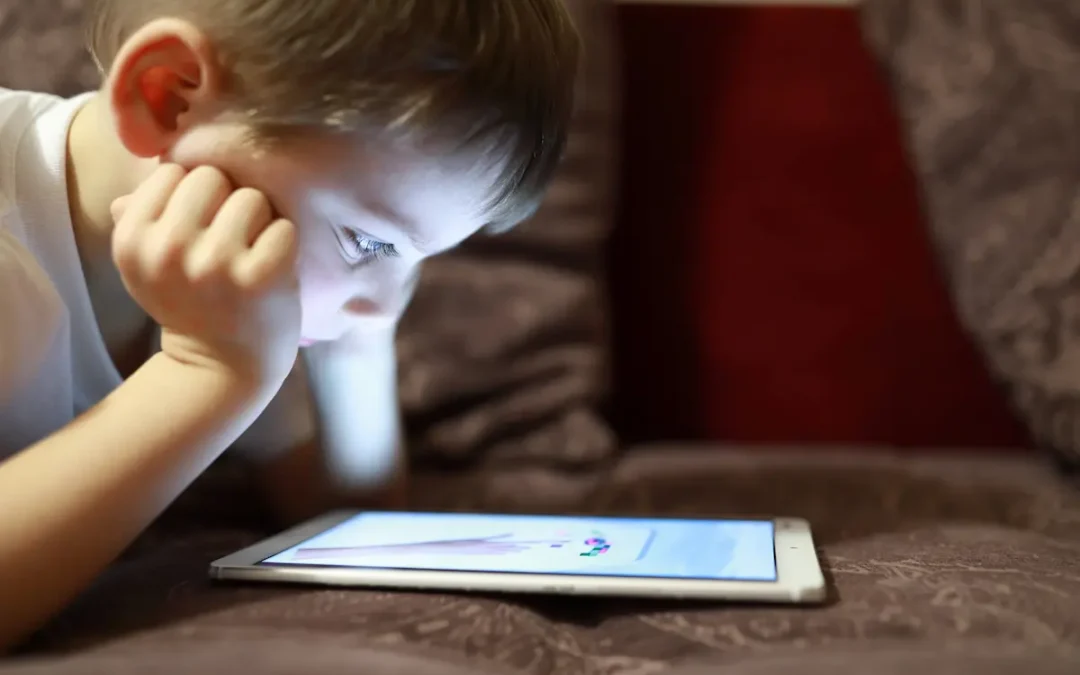
- Headaches after school or screen time
- Holding books or devices very close to their face
- Short attention span during close-up tasks
These signs can be subtle at first and are often mistaken for focus or learning challenges rather than a vision issue.
How vision problems affect learning
Vision is closely tied to how children process information in the classroom. Even when a child can see the board clearly, other visual skills are needed for reading, writing, and maintaining focus throughout the school day.
When vision isn’t working efficiently, it can affect reading speed and comprehension, the ability to copy notes from the board, hand-eye coordination during writing tasks, and overall classroom attention and stamina. As a result, schoolwork may take longer, require more effort, or lead to frustration that isn’t always recognized as vision-related.
What school vision screenings miss
School vision screenings should not be treated as a replacement for a comprehensive eye exam, as they miss up to 75% of children with vision problems.² Most screenings only check how clearly a child can see at a distance.
What they often do not evaluate includes:
- Eye teaming and coordination
- Near focusing ability for reading and schoolwork
- Eye tracking across lines of text
- Subtle prescription or focusing issues
- Overall eye health
A child can pass a screening and still have vision problems that affect learning and daily comfort.
What a pediatric eye exam includes
A pediatric eye exam provides a much more complete evaluation of how a child sees and how their eyes work together. It goes beyond clarity to assess visual function, comfort, and overall eye health.
During a comprehensive eye exam, eye doctors evaluate:
- Near and distance vision clarity
- Eye alignment and coordination
- Focusing ability between tasks
- Eye movement and tracking skills
- Overall health of the eyes
These findings help determine whether vision is contributing to learning challenges or daily discomfort.
For families in Gonzales, our eye doctors can recommend solutions such as glasses and, in some cases, contact lenses, depending on the child’s needs and lifestyle. Early detection of myopia (nearsightedness) can also mean starting myopia management sooner, allowing us to monitor changes in your child’s eyes and help slow myopia progression over time.
Supporting clearer vision and better learning
When vision problems are caught early, children are able to keep up with schoolwork more easily and feel more comfortable throughout the day. Clear, healthy vision supports reading, focus, and confidence both in and out of the classroom.
Schedule a pediatric eye exam with our caring eye doctors in Gonzales to check your child’s vision and support their development with the right care at the right time.
References: