A first eye exam can feel like a lot of unknowns, especially if you are coming in with a new concern or it has been a while since your last visit. With us, your appointment is designed to give your doctor a complete picture of your vision and eye health — whether you need new glasses, are experiencing symptoms, or are simply due for routine care.
Here is what you can expect from the time you arrive through the end of your visit.
Before your appointment: What to bring and share
Bring your current glasses or contact lenses, a list of medications, and your insurance information, if applicable. If you wear contacts, bring the box or know your current brand and prescription.
Be prepared to share why you scheduled your visit. You may be due for a routine checkup, need new glasses, have blurry vision or headaches, or be dealing with eye pain, dryness, redness, or trouble seeing at night. Let the team know about health conditions such as diabetes and high blood pressure, too, since they can affect your eyes.
Check-in and your vision history
When you arrive, the front-desk team will help confirm your information and get you checked in. An optometric technician may then ask about your vision, current eyewear, overall health, medications, and any symptoms you have noticed.
This is an important part of the visit. It gives your eye doctor context for your exam and helps determine whether you need routine testing, more focused evaluation, or both.
Vision testing and prescription measurements
Next, your exam will include tests to measure how clearly you see at different distances and whether your prescription has changed. You may read letters from a chart, compare lens options, or complete tests that assess how your eyes focus, move, and work together.
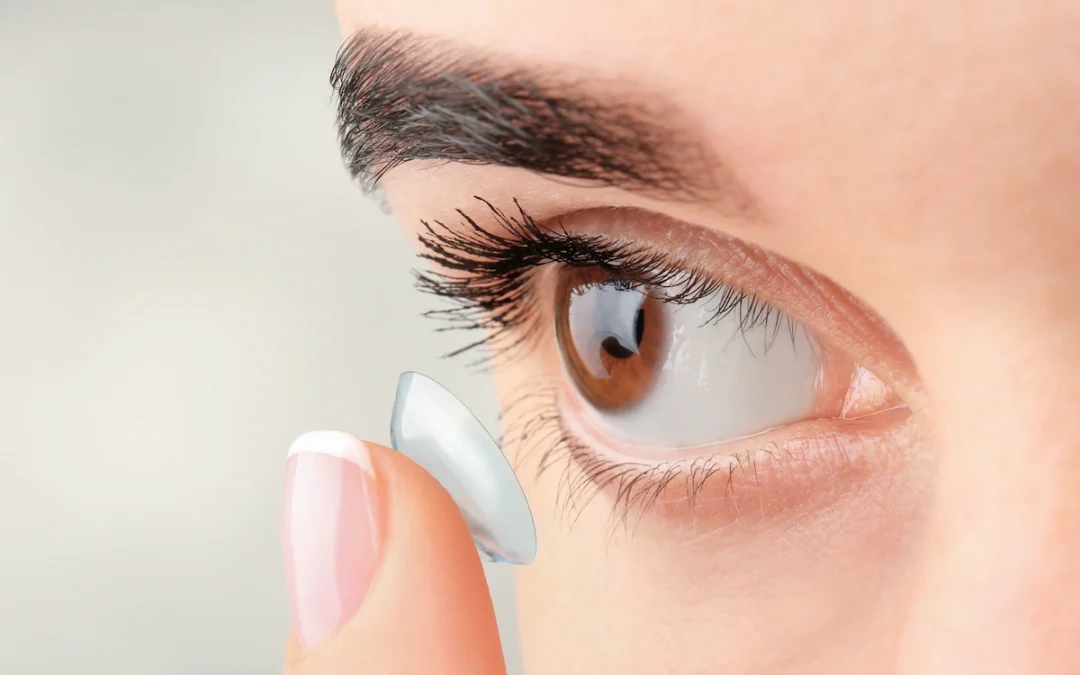
If you are coming in for new glasses, these measurements help your doctor determine the prescription that will give you clearer, more comfortable vision. If you wear — or are interested in wearing — contacts, a contact lens exam can include additional measurements for lens fit and comfort.
A closer look at your eye health
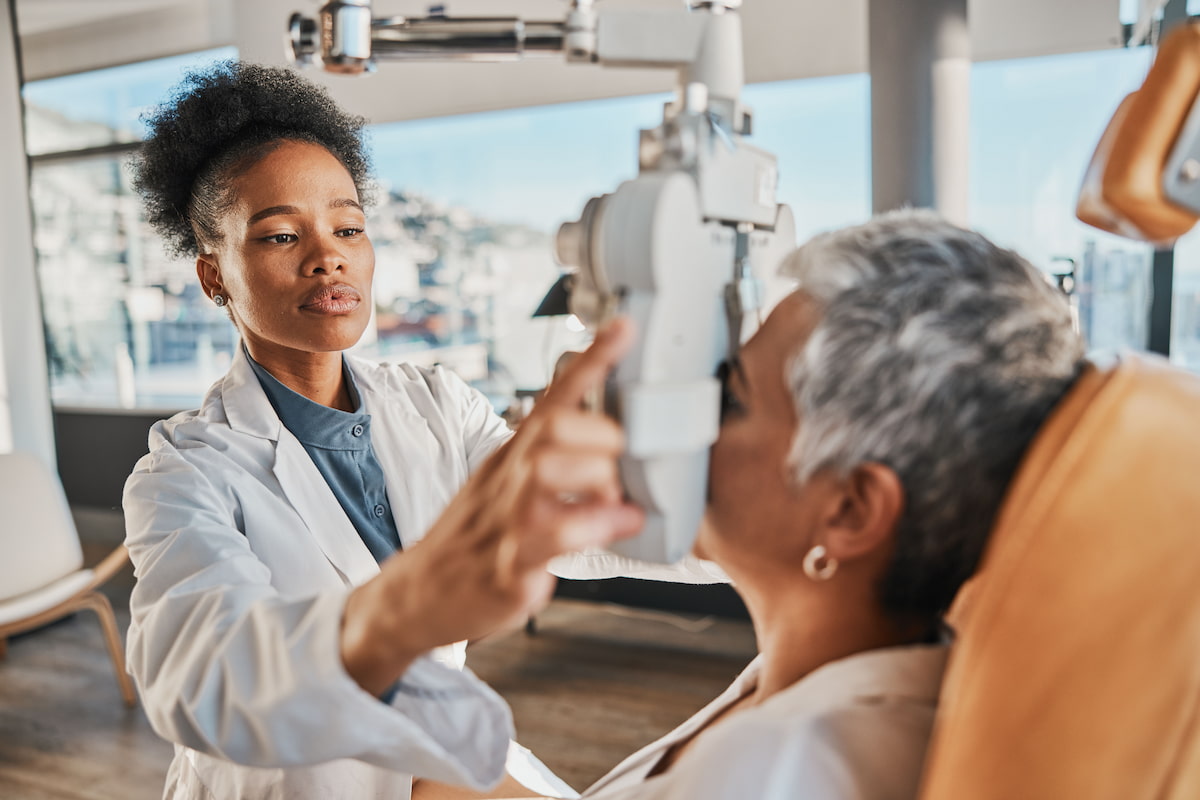
Your optometrist will examine the front and back of your eyes, checking for signs of eye conditions that may not cause symptoms right away. This can include evaluating eye pressure, the cornea, the lens, the retina, and the optic nerve.
Depending on your needs, your doctor may recommend dilation or Optomap® retinal imaging for a clearer view of the back of your eyes. Dilation may blur near vision and increase light sensitivity for a few hours, so sunglasses can be helpful after your appointment.
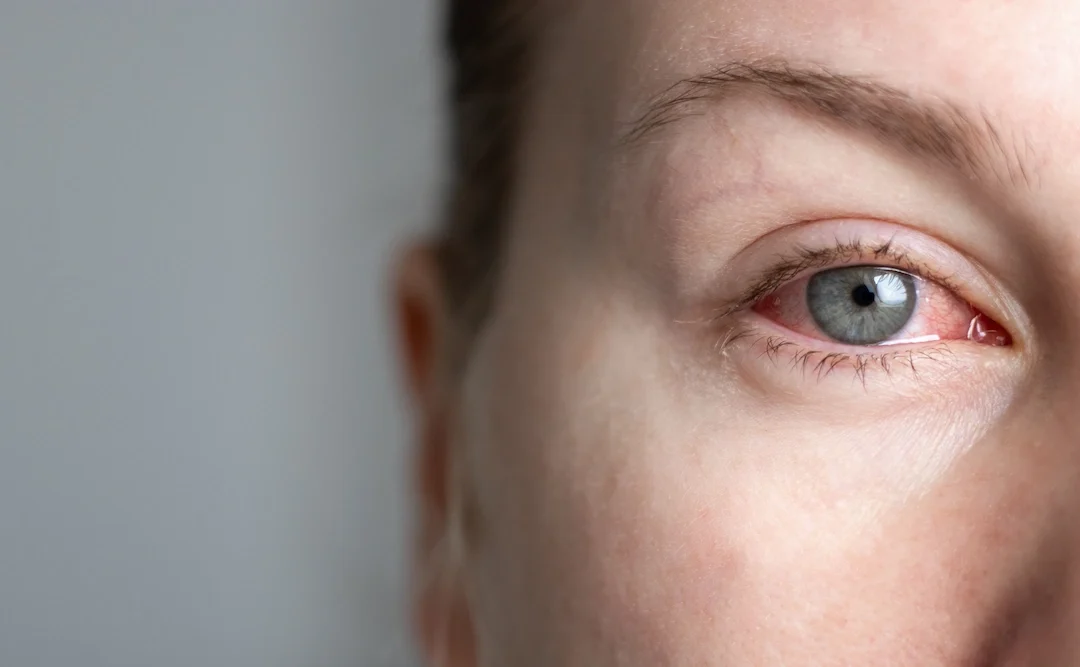
If you scheduled because of burning, watering, fluctuating vision, or contact lens discomfort, your doctor may also check for dry eye or other causes of irritation.
Reviewing your results and next steps
At the end of your exam, your doctor will explain the findings in clear, practical terms. You may leave with an updated prescription, recommendations for eyewear, or a plan to monitor or treat an eye-health concern. If additional testing or specialty care is needed, the team will explain what comes next.
Our experienced eye doctors care for patients and families throughout Ascension Parish with personalized, compassionate attention. Schedule your comprehensive eye exam in Gonzales today.